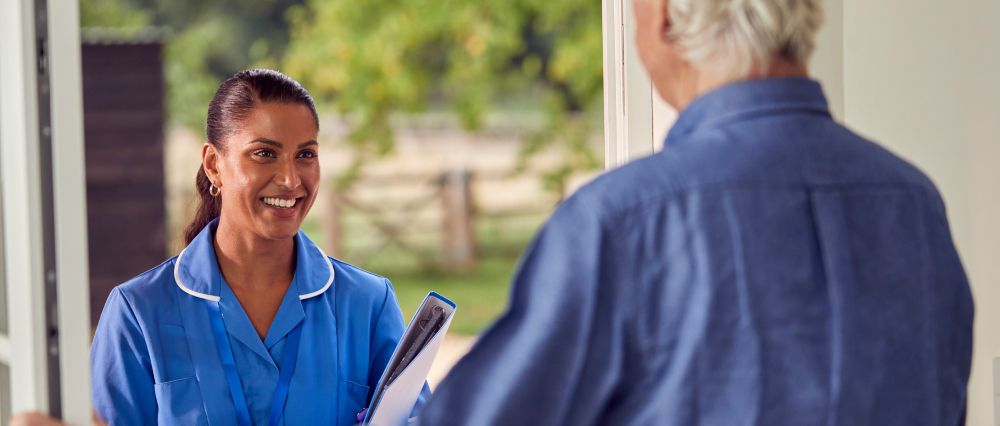

Getting Care at Home is the New Normal for Some, But We’ve Been Doing It for 25 Years
Getting Care at Home is the New Normal for Some, But We’ve Been Doing It for 25 Years

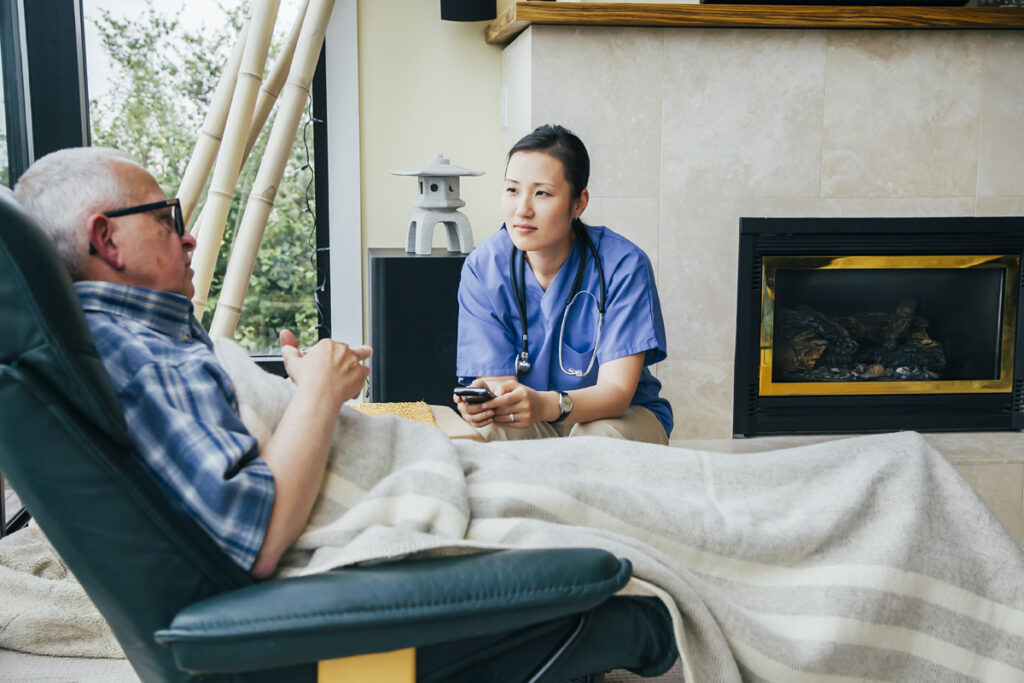
Now, more than ever, health plans are focusing on making the home the center of health care. This is especially true for those most at risk of severe COVID-19 symptoms, including older adults and people with chronic conditions. And while we have seen a great increase in telemedicine utilization for routine, non-emergent medical care during the pandemic, our post-acute care system still drives too many people to skilled nursing facilities.
In 2016, Medicare spending on PAC totaled $60 billion, while data from 2014 showed that the estimated annual cost of Medicare readmissions was $26 billion per year with $17 billion associated with avoidable readmissions. Unfortunately, this dynamic has created a fragmented post-acute care system that does not serve patients very well. Reducing unnecessary readmissions is one of the many ways to drive down costs and improve post-acute outcomes, and it can be done at home – the site many patients prefer.
CareCentrix has delivered care to the home for more than two decades and pioneered a more modern, humane, and end-to-end approach to post-acute care. Whereas other organizations have taken a delay-and-deny strategy to impact savings, we’ve invested in data science to optimize sub-acute networks and personalize individual care pathways. We’ve developed a sophisticated network of in-market and remote clinicians to support patients as they transition from hospital-to-home; preventing unnecessary hospital readmissions.
Our comprehensive PAC program includes a 90-day full-risk option and targets Medicare Advantage (MA) and commercial plans whose members experience little care oversight in PAC facilities, such as skilled nursing facilities (SNFs) and inpatient rehabilitation facilities (IRFs), as well as high readmission rates.
A key component of our PAC program is obtaining the right support for the patient to help avoid unnecessary readmissions – regardless of site of care. In doing so, we’re successfully managing patients for up to 90 days post-discharge, identifying patients most at risk for unnecessary readmissions and ultimately, reducing risk and cost for both payors and patients.
Since the onset of COVID-19, we have not missed a beat, even in hot spots ranging from New York and New Jersey, to Florida and Louisiana. We believe that our model of moving care to the home is the right one now more than ever, and we know that our agile approach can meet any challenge. We are ready and have the experience to be your trusted partner.
Related Blog Posts

The Hidden Economics of Oncology Care: How Treatment Location Impacts Member Experience and Costs
As oncology spending continues to rise, health plans continue to…

Cancer Care Reimagined: Delivering Immunotherapy at Home
In the United States, the population is growing and living…
Closing the Gap: How Timely Delivery of Home Health Care Drives Better Outcomes
The High Stakes of Post-Hospital Care The transition from hospital…